A Sneak Peak at Memoir #2

For those who’ve wondered how a writer writes a book, I’d like to share some of my process as I begin my second (so-far-untitled) memoir.

One of the first things I put on the page when I was writing The Gathering Girl was the scene of me as a young child sitting on my father’s lap eating Cool Whip out of the container. At the time, I had no idea what shape the book would take, what it would actually be about, or what I was even trying to say. I just knew there was something about the feeling of softness, of safeness, of wholeness conjured by that early memory that captivated me. My hope was that it would also guide me and sustain me as I kept writing. And it did. While the book ended up being ostensibly about my childhood and my relationship with my parents, the bigger story was how our (read: every human’s) original state of wholeness (read: innocence) cannot be sustained, but must be broken apart if we are to have any chance of achieving a new and lasting wholeness.

All that from Cool Whip!

But that’s how my writer brain works. It locks onto a memory, an image, a feeling, a something, and then I try to keep that thing in mind as I write; letting it lead me, really, to whatever bigger story it’s trying to reveal. Rarely do I write linearly. I’ll write a scene here. A memory there. Some summary and exposition. Once there are enough pieces and parts, I try to glean what shape the work wants to take. Then I stitch it together best I can and hope my seams don’t show too much. With a full-length work like The Gathering Girl, the shape shifted many times. Seams had to be ripped out, and pieces rearranged, removed, added. There was lots of resewing.

I imagine the same will be true for memoir number two. Again, I don’t really know what shape the book will take, what it will actually be about, or what I am even trying to say. All I can do is start with something that captivates me — in this case beveled mirrors — and see where it leads me.

It will be interesting to see if any of this makes the final cut.


At both the Toy Box and Private Dancer, the two clubs I worked as a stripper in my late twenties, the mirrors covering the wall behind the main stage were beveled, vertical slats. Often when I was dancing a set, I’d marvel at the illusion cast by the obtuseness of the mirrors’ angled edges: there—as far as the eye could see—a multiplicity of mes. 

Now, over two decades later, as I reflect back on those three years I spent getting naked for men, I think about those mirrors, and I wonder: Which was the true reality? The apparent singular person in front of the mirrors? Or the plurality of parts revealed within? 

Considering the multiplicity of emotions I felt then and still feel now about my stripping days, I have to believe the latter. How can I not when I see in each of those reflections an aspect of my own self? There’s the lonely one. The shy one. The curious one. The confident one. The helpless one. The eager one. The fearful one. The daring one. Each one positioned along a spectrum of pride and shame, desire and aversion, vulnerability and empowerment. Each one authentically and unequivocally me. 

In The Nonfictionist’s Guide, Robert Root talks about the “nonfiction motive”: “the individual writer’s need to know or understand a specific, limited topic.” My motive for writing this account of that specific time in my life isn’t so much to merely reflect on the one or two or four things that possessed me to become a stripper when I was twenty-six years old; that is, to focus only on the apparently singular story. Rather, I want to hold the story up in front of those beveled mirrors and see what aspects might be revealed. What might I come to better understand about my past and about myself? What might I come to know?

Revelation may be too strong a word for what I’m after; but reflection is definitely not strong enough.

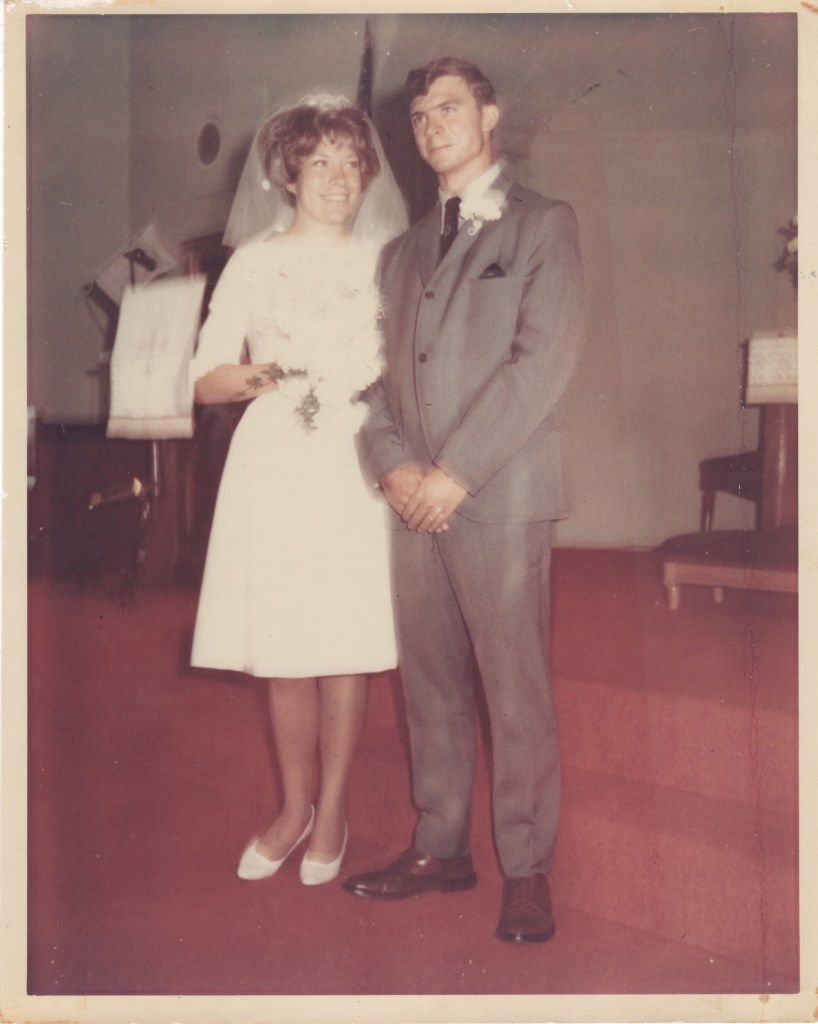
July 12, 1968

The column headings are written in my father’s all-cap print. The entry – incredibly, to me – is written in my mother’s hand, a confident cursive complete with cheerful circle above the “i” in Happiness. In the four journals I have of my father’s, this is a lone entry on the last balance sheet he would keep in those pages.

Listen to an excerpt from The Gathering Girl. (From the chapter “Dear Tom, Dear Susan.”)

Psych NP Publishes Debut Memoir

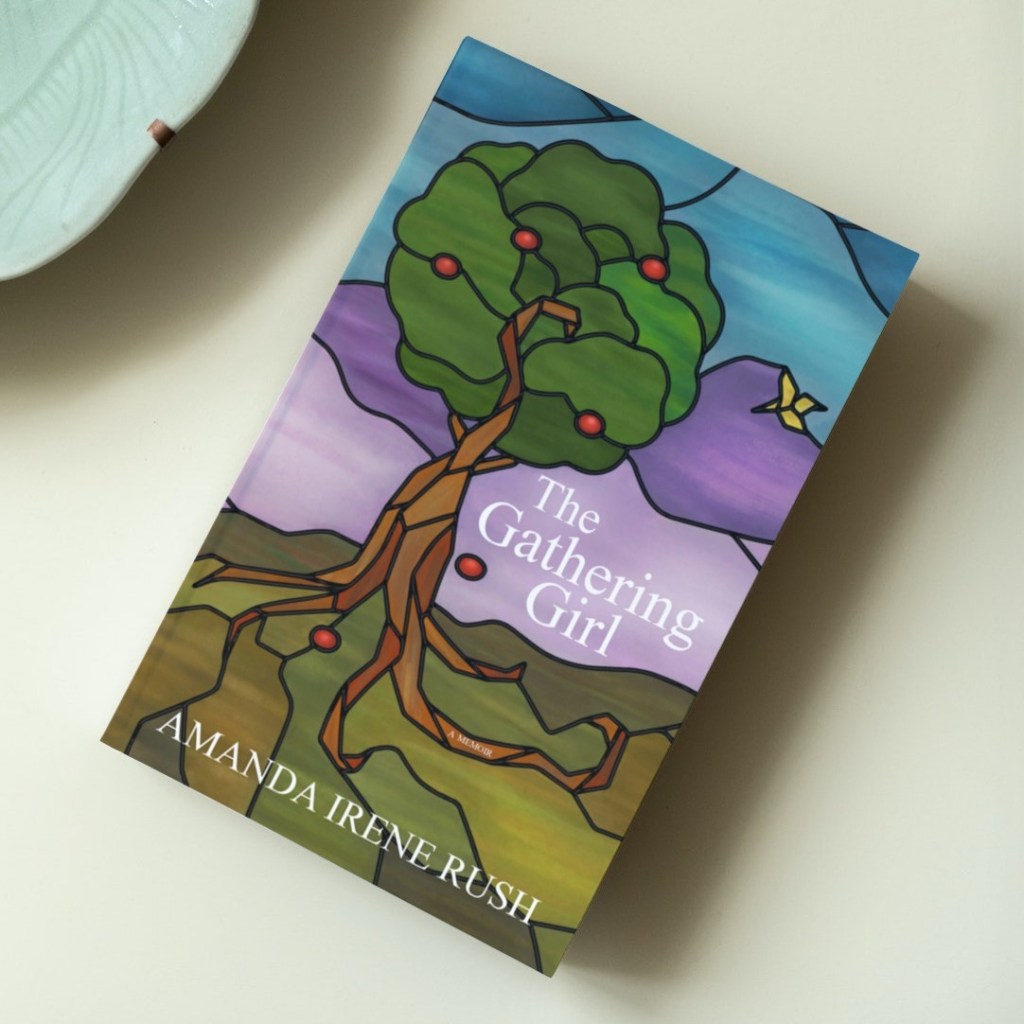
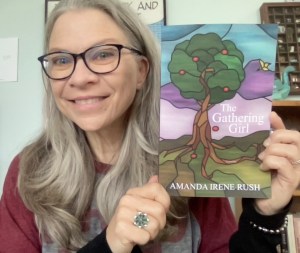
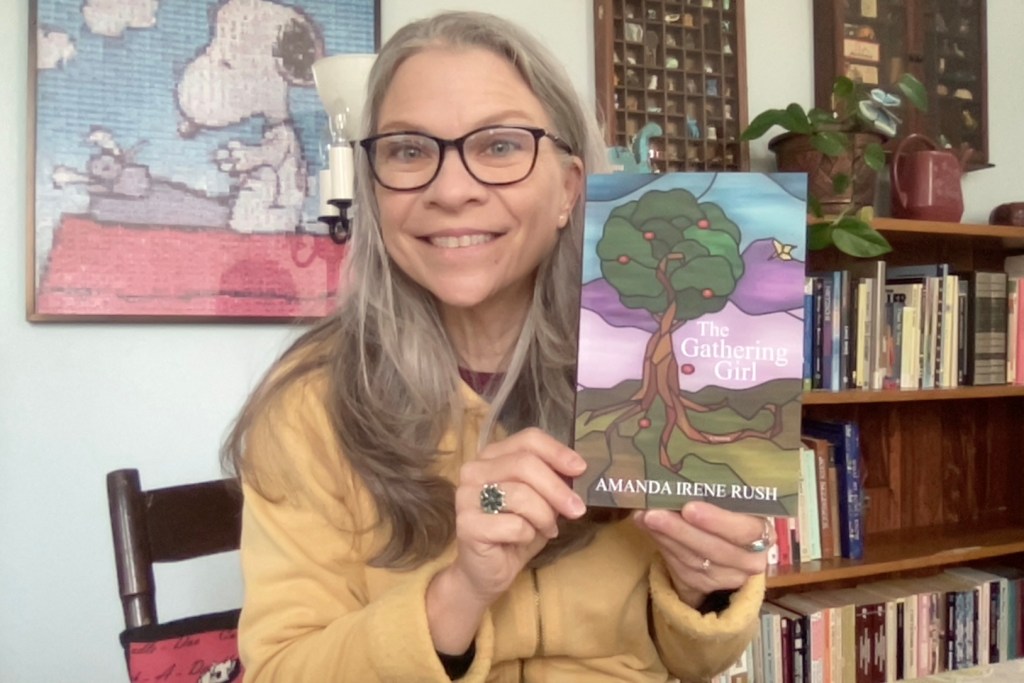
Columbus-based psychiatric nurse practitioner, Amanda Rush, has published her debut memoir, The Gathering Girl.

“Seven years in the writing, this book is my attempt to make meaning of the cumulative and relatively quiet damage wrought by my parents’ divorce, my mother’s mental illness, and a childhood in which I was generally left to tend to myself. I hope my book will inspire others whose lives have been impacted by adverse childhood events to re-examine their life narratives and move toward a place of healing.”

Amanda Irene Rush

Summary

When she was 12, Amanda’s best friend’s family gifted her a Christmas stocking stuffed with a carton of cigarettes. She was thrilled. The cigarettes meant she would no longer have to steal and smoke her mother’s uncool brand. And the stocking—though it didn’t have her name stitched along the top like everyone else’s—meant, for the moment at least, that she belonged. She hadn’t felt that way since before her free-spirited mother left her corporate-climbing father with 4-year-old Amanda and her older sister in tow. Before her father remarried a woman who never wanted children. Before her mother was diagnosed with schizophrenia. Before Amanda and her sister were left to largely fend for themselves.

More than three decades later, with the death of her parents as a catalyst, Amanda began sifting through the relics of her family’s fragile past. She wondered if the chance objects she and her mother and father had held on to—a faded doodle of a girl gathering apples, broken knickknacks, worn family photos and her parents’ journals—might unravel their long-standing and tightly woven narrative and tell a different story.

Searching through the eyes of “The Gathering Girl,” Amanda discovers an alternate truth buried within the deepest roots of her family tree. She demonstrates how the untangling of a twisted past can be both beautiful and brutal, and how the journey can ultimately lead to forgiveness.

Click HERE to Order a Copy Today!


Milestones: Two Months

The Gathering Girl is two months old!

If the book were a baby she’d be sucking on her little fists and smiling at people who smiled at her. She’d be learning object permanence — the Piagetian concept that things still exist even when you can’t see them. She’d be cooing and pooping and living in the moment. Not so her mama. Like an overly anxious parent, I’ve been wasting time worrying about her future. It’s about as pointless as an actual parent worrying about how well their infant will do seventeen years hence on her SAT and whether it’ll be good enough to get into a decent college.

I need to stop worrying and live in the moment. Enjoy the milestones the book has already achieved. It’s written, for one. It’s published, for two. And it’s out in the world, for three. Those are huge and I will try my best as I move forward in this post-publication journey to remember them.

Here are some other milestones in the last month:

  • I have two library readings booked for the summer.
  • A local book club will be reading the book and having me come talk with them about it.
  • The Coover Society in London, Ohio, has invited me to speak at their luncheon — Women Empowering Women — in May of 2024.
  • A writer whose work I admire tremendously has invited me to coffee with her in the fall to discuss doing some kind of speaking event at a college I love.

Some of these milestones I anticipated; others I didn’t. I will remember that just because I can’t see the future of my book, a future does indeed exist for it.

Thanks to everyone who has already bought and/or read the book. It means more to me than I can express.

For those who haven’t . . . what are you waiting for?


How to Score a Free Read

If cost is an issue, I get it. There are too many books on the shelf already and not enough bucks in the budget. Here’s how to score a free read: Go to your local library and request that they add The Gathering Girl to their collection. Tell them the book is available on Ingram. They’ll know what that means. 🙂

Hustle

Over twenty years ago, I worked as a stripper. I was in my late twenties, married to my first husband, desperate for money and a sense of who I was outside of him. In the club, under the black lights that made many things glow, I found both. It was a surprising (to some, shocking) career choice. I’m pretty modest by nature. And, I can’t dance. While I eventually learned how to not look like I was picking potatoes, I never became a good dancer. No matter. I had other assets. Great smile. Friendly demeanor. And one skill I never realized: hustle. 
Hustle has a negative connotation. But I’m using it here in its more positive form: active movement. In a strip club, a dancer’s money is made two ways: tips and what we called “drinks” or personal dances. We referred to them as “drinks” because we were literally given a drink (non-alcoholic, as we were a dry club), the size of the glass depending on how many dances a customer bought.

Customers usually tipped a dollar after each dancer’s set, which meant she could make out okay on just tips if the crowd was large and she was on stage often. Say, on a busy Tuesday night when there might only be five dancers. But, on a weekend night, there might be fifteen, which meant a dancer was only on the main stage every hour if she was lucky. At that rate, a dancer could still go home with decent tips. But the real money was in selling drinks. 

I sold a lot of drinks. My managers and fellow dancers thought I had a nose for money. True, I had a system for assessing customers and adjusting my hustle to accommodate who I thought they were and who I thought they wanted me to be. The man with his name threaded in script on his shirt required a different approach than the man in a suit, for instance. But the real key to my success was I wasn’t afraid to ask. Sure, I’d start with the men who I thought I had the best shot with, but if they said no, I just kept asking everyone else. Someone always eventually said yes.

“Must be nice,” one dancer used to say to me whenever we worked together. I’d come in the dressing room right before a personal dance and would have to step over her to get to the big wall mirror in our too-small dressing room. She’d be on the floor reading a book and eating Teddy Grahams out of the box. I’d bend over, pull my t-bars aside, and “check my butt,” looking for stray lint or toilet paper (the black lights, remember, made many things glow). 

“Must be nice,” I’d hear her say again as I stood up. 

“You’ve got to get out there and hustle,” I’d tell her as I gussied up, spritzing myself with Cotton Candy body spray, reapplying lipstick, adjusting my signature ponytail. 

“These assholes don’t want me. They want you.” 

True, she wasn’t a Barbie doll; but neither was I. There were plenty of dancers prettier than me. Plenty with bigger boobs, longer legs. Plenty who could actually dance! This dancer, for instance, could actually dance. And true, she was darker than most of us, and taller, too, over six feet in her six-inch heels. But, God, was she beautiful. Her legs, ass, and breasts all in perfect, powerful proportion. She had no idea how stunning she was and never believed any of the customers could appreciate her. 

“Not all of them are going to want you,” I’d say. “Not all of them want me. Do you know how many nos I got to get this one yes?”

“Easy for you to say.” And she’d go back to eating her Teddy Grahams. 

It is easy for me to say, because it’s true. And not just true as a stripper. It’s been true as a writer. I know I’m not the greatest writer. But I don’t have to be. Someone out there will like reading my words, just as many men liked looking at my body all those years ago. I just have to be willing to hustle. To keep writing and submitting and rewriting and submitting some more. And maybe I don’t get as many yeses as I’d like compared to the number of nos. But there won’t be any yeses at all if I stay holed up in the dressing room.

Book Me!

Why Me?

I LOVE to do readings. I will read anything, anywhere, anytime, to anyone.

I once gave an impromptu reading of an essay (about my late mother-in-law who had Alzheimer’s) at our local YMCA to my husband’s Pilates class. I have presented papers at the American Folklore Society’s 2000 Annual Meeting (“An Honest Living: A Stripper’s Negotiation of Self”) and at the Midwest Slavic Conference in 2002 (“Writing to Fill the Void: The Conceit of Confession in Dostoevsky, Tolstoy, and Chekhov”). I’ve read at open mics, MFA programs, libraries, mental health support groups, and family gatherings.

I believe writing is more than just putting words on a page. It’s a relationship between writer and reader, author and audience. For my words to truly come alive, they need to be heard. So, book clubs, libraries, literary festivals, retirement communities, writing classes, MFA programs, support groups, lover of words, bored retirees, and anyone else who likes to listen to a good story, I would love the opportunity to come read part of The Gathering Girl to you and your group.

Why The Gathering Girl?

Has your life been impacted by adverse childhood experiences, and do you still find yourself navigating the grabby roots of a dysfunctional family? The Gathering Girl is for you.

Are you a nurse, psychiatrist, social worker, therapist, or other mental health advocate whose passion it is to help people re-examine their life narrative and move toward a place of healing? The Gathering Girl is for you.

Are you a reader or writer drawn to meditations of memory, identity, and the interplay between fate and free will? The Gathering Girl is for you.

(If The Gathering Girl still doesn’t sound like it’s for you, browse my site and see if any of my other work would be a better fit for your group. Like I said, I’ll read anything! This includes works in progress. Just ask!)

How to Book Me

Please use the fields below to provide your name, email, and a brief message about your group, club, or event. Then hit the “Book Me!” button. I will respond promptly to work out the details with you.

Go back

Your message has been sent

Warning
Warning
Warning
Warning.


Upcoming Readings

All readings are free and open to the public.

  • Wednesday, June 28, 2023 from 4:00 – 5:00 p.m. at Champaign County Library, 1060 Scioto St., Urbana, OH 43078*
  • Saturday, August 26, 2023 from 1:00 – 3:00 p.m. at Mechanicsburg Public Library, 60 S. Main St., Mechanicsburg, OH 43044*

* Books will be available to purchase at this event.

Mad Lib Book Reviews!


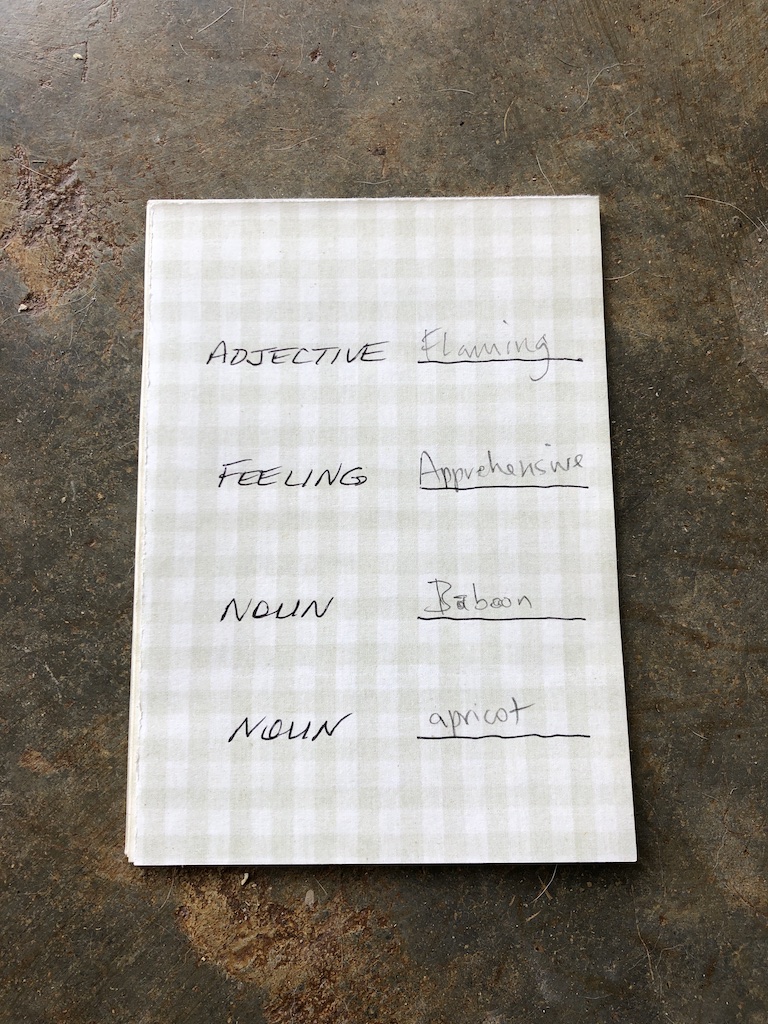
At my book launch party in Columbus last week, I asked people to give me four words. I’m sure they wondered why. Who remembers Mad Libs? There’s a scene in The Gathering Girl where my friend Heather and I are playing them, and I thought, why not try a little Mad Libbing of my own? Here are just a few of my favorites. Enjoy!


The Gathering Girl by Amanda Irene Rush is a flaming book about apprehensive baboons. I would recommend it to anyone interested in apricots.

The Gathering Girl by Amanda Irene Rush is a luscious book about joyful cats. I would recommend it to anyone interested in sisters.

The Gathering Girl by Amanda Irene Rush is a silly book about ambivalent houses. I would recommend it to anyone interested in dogs.

The Gathering Girl by Amanda Irene Rush is a hard book about glorified motorcycles. I would recommend it to anyone interested in baboons.

The Gathering Girl by Amanda Irene Rush is a special book about melancholy dogs. I would recommend it to anyone interested in homes.

Celebrate That Shit

“You’ve got to celebrate that shit,” said my niece, Kenzie, who I had hired to be my virtual assistant (check out kenziesdesk.com), when I told her my publisher and I had uploaded my memoir to online distributors, the equivalent in this day and age of going to press.

“I did,” I told her, “I made Aaron take me out for pie.” Fitting, as the uploading had taken place on pi day, March 14. “I had chicken pot pie and apple pie,” I told her.

“Fucking awesome,” Kenzie said. “Now make a list of 50 other things to celebrate in connection with the book. I want you to send it to me and print it out and post it on your fridge and look at it every day. And when you achieve something on the list, you celebrate that shit.”

I made a list (just shy of 50 things), and now, about a month later, I’m surprised that so many of the things have already happened:

  • Sent a free copy to someone I love. 
  • Ordered my first big box of author copies. 
  • Fulfilled all my pre-orders. 
  • Signed my first copy live. 
  • Did a reading at the local YMCA. 
  • Sold a copy to someone face to face. 
  • Had someone tell me the book meant a lot to them. 
  • Had someone agree to write a review and post it online. 
  • Read the first online review. 
  • Had someone quote a part of the book to me.
  • Had a writer I admire promote the book in some way.
  • Had someone tell me the book made them cry and specify which parts.
  • Had someone tell me the book made them laugh and specify which parts.
  • Left a copy of my book in a random place.

Since pi day, I’ve been doing a lot of fretting and obsessing and planning and deep breathing, but not much celebrating. I know Kenzie’s right: it’s important to pause along the way and acknowledge the things we’ve accomplished.

Celebrate comes from the Latin celebrāre to crowd, implying that the act of honoring, extolling, praising, and making known – in short, celebrating – should be done with other people. So, in the spirit of celebration, I’m writing this post and sharing it with you, friends. Huge thanks to those of you who helped me accomplish the things mentioned above. I will update you all periodically as more things are checked off my list.

By the way, here are some other things from the list, not yet accomplished:

  • Did a reading at the local library.
  • Did a reading at one of the Columbus Metro libraries.
  • Did a reading at Gramercy.Did a reading at one of the Barnes & Noble.
  • Did a reading at Two-Dollar Radio.
  • Crashed an open-mic. (For Kenzie)
  • Had a bookstore agree to stock my book.
  • Got invited to someone’s writing class to talk about the book.
  • Got invited to speak on a panel about the book or about memoir in general.
  • Got invited to read at a local literary series.
  • Got invited by Ashland University to be part of their summer residency.
  • Sold 100 books.
  • Sold 500 books.
  • Sold 1000 books.
  • Got Oprah to put her sticker on my book.
  • Had a book club read my book and invite me to a party to talk about it.
  • Had the book translated into another language.
  • Had an audio version made.
  • Got invited to talk about the book on someone’s podcast.
  • Got invited to do a radio interview about the book.
  • Ran across my book “in the wild” (at a thrift store, yard sale, bookstore or library I’ve never been in, etc.).
  • Received a fan letter from someone I don’t know.

Doodles

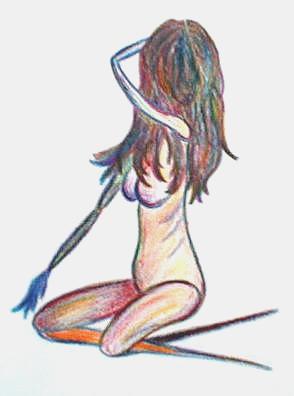
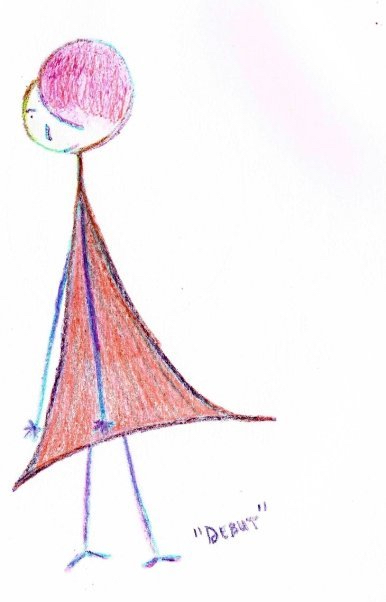
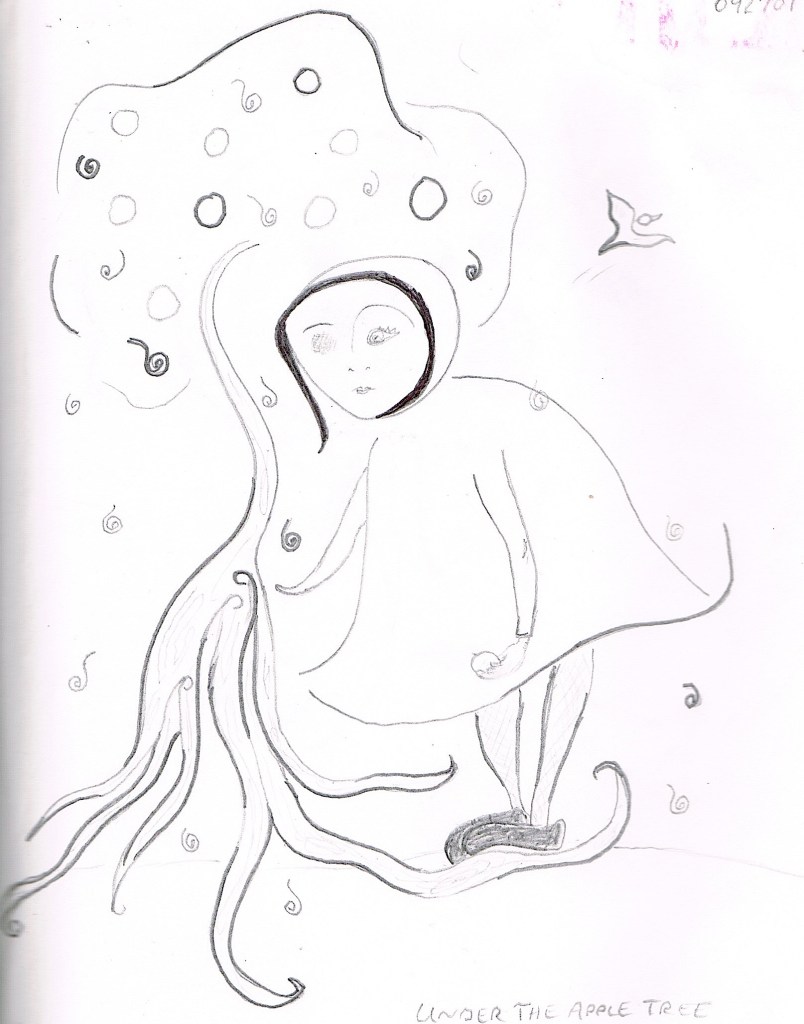
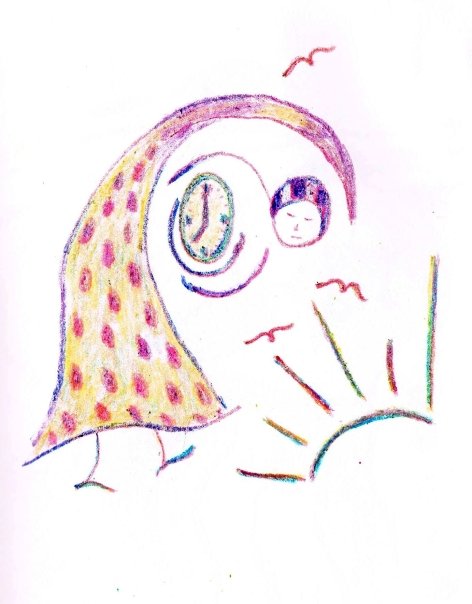
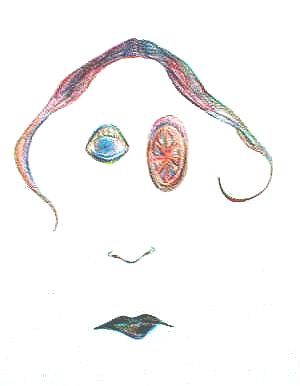
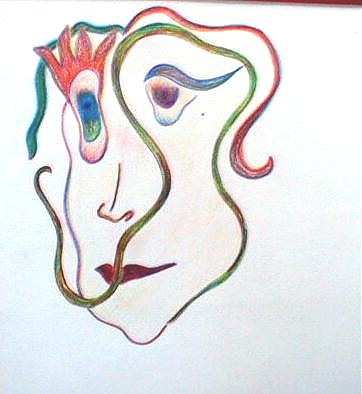
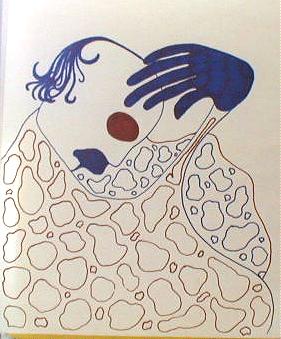
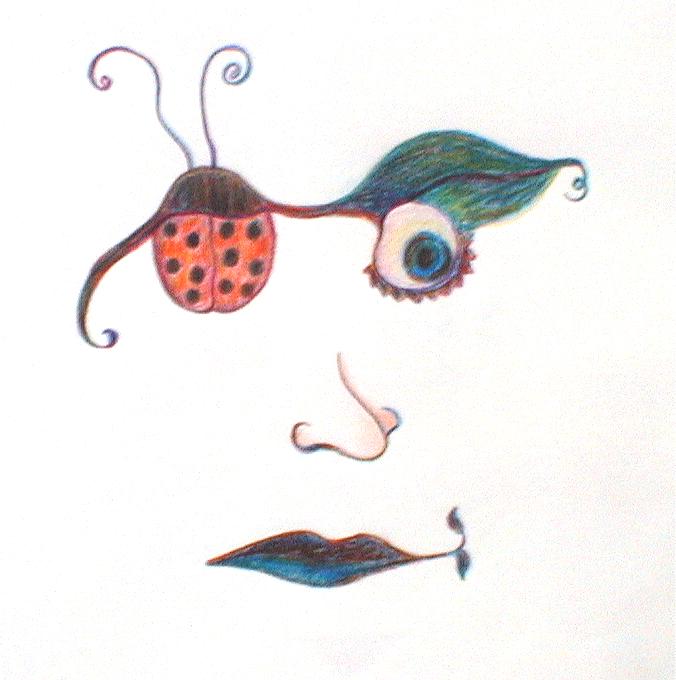
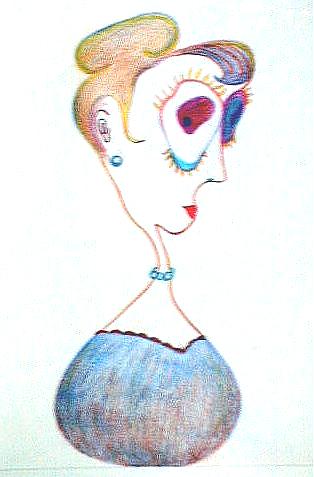
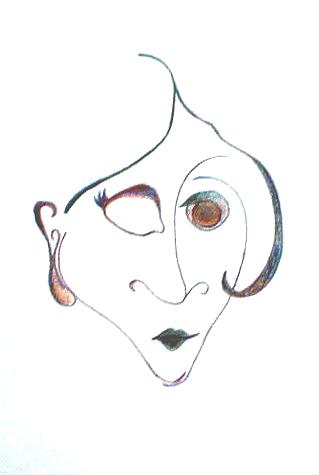
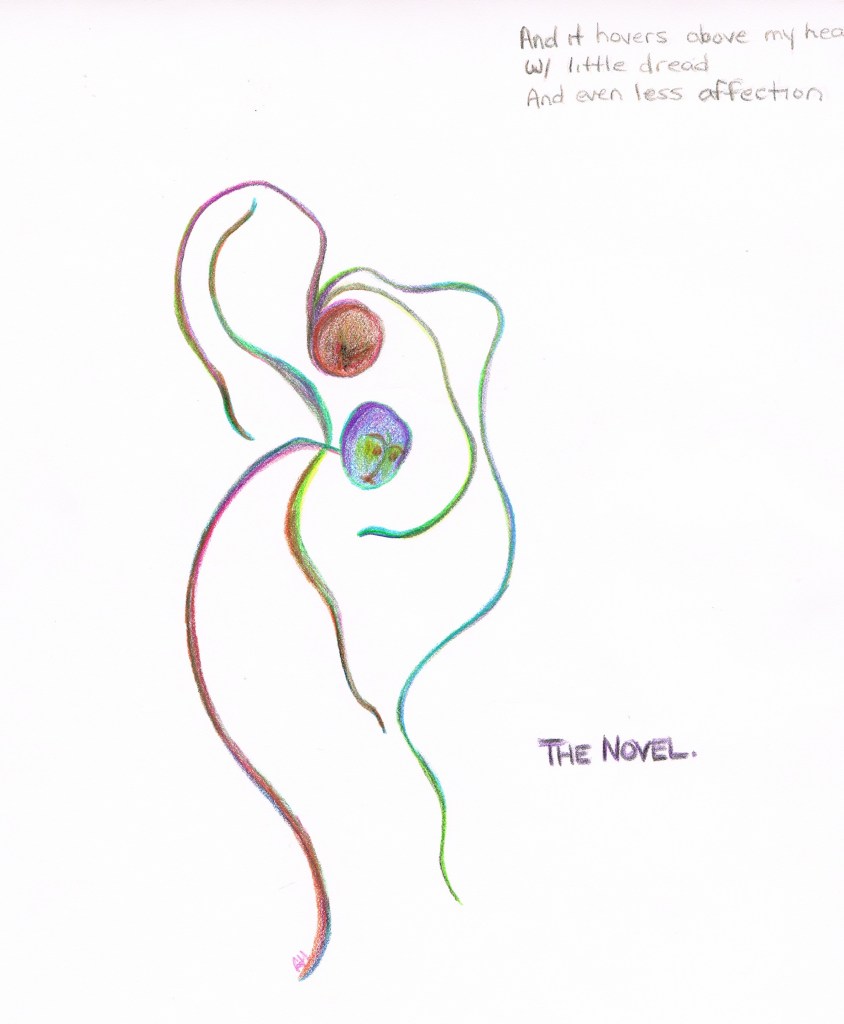
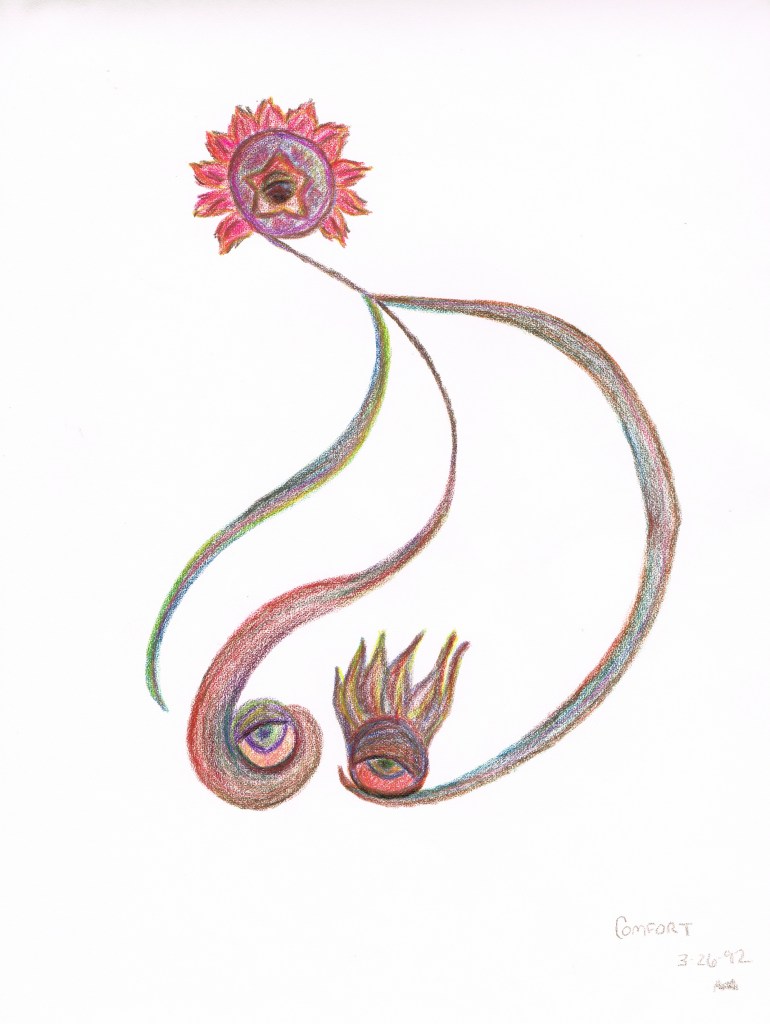
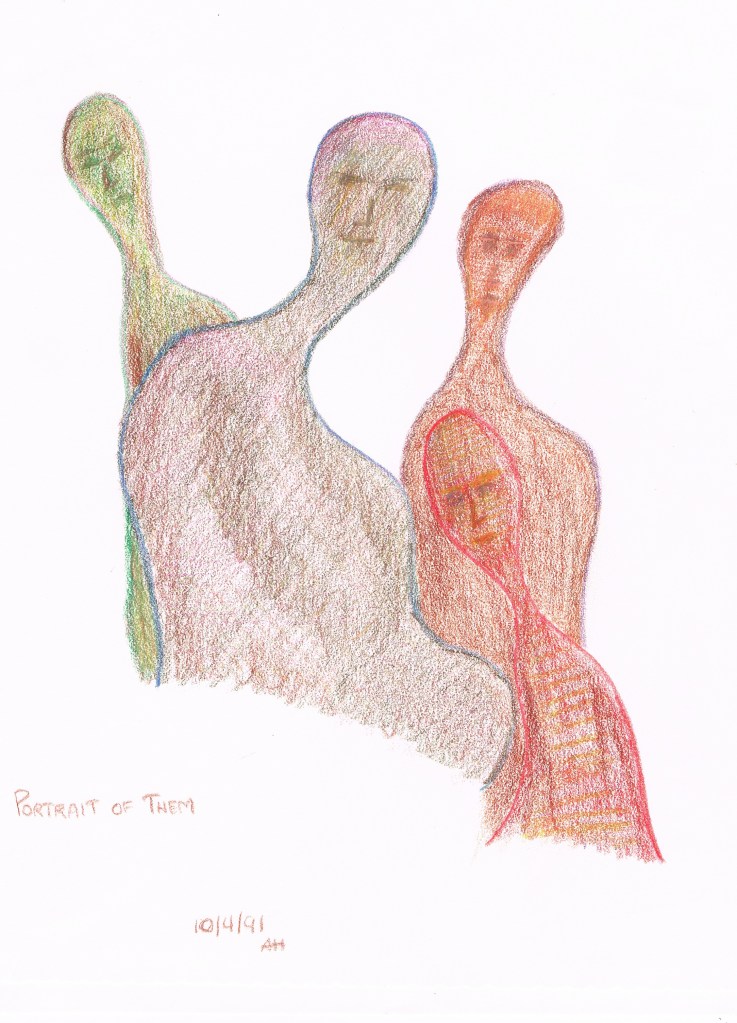
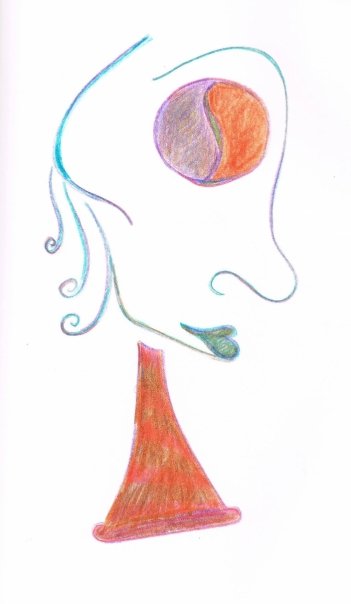
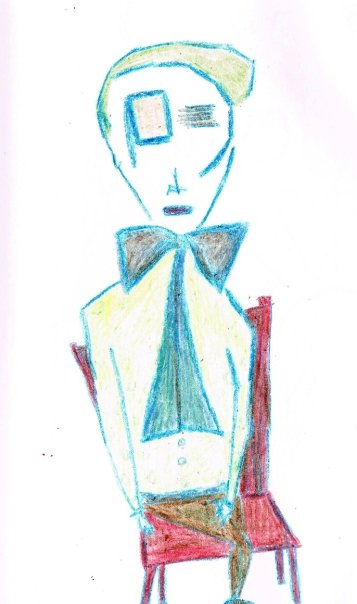
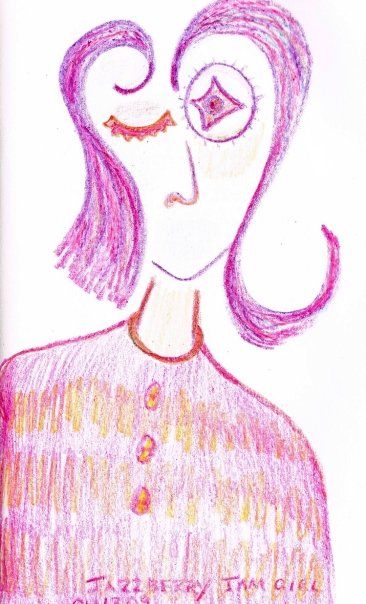
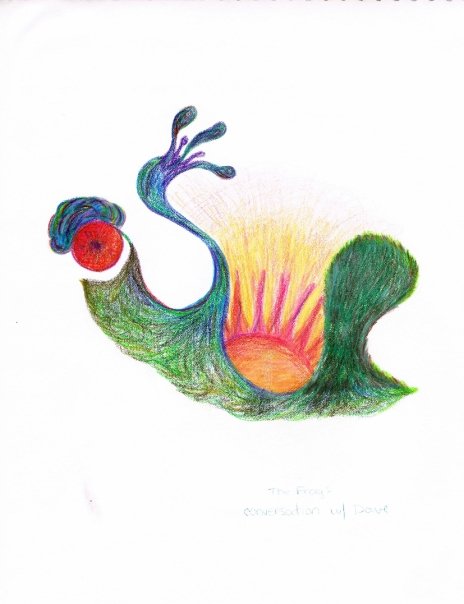
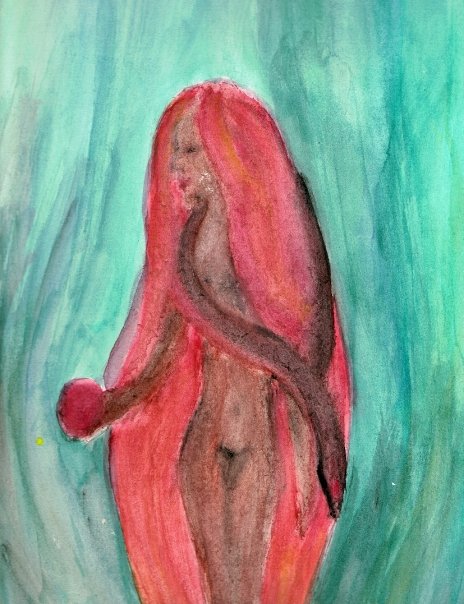
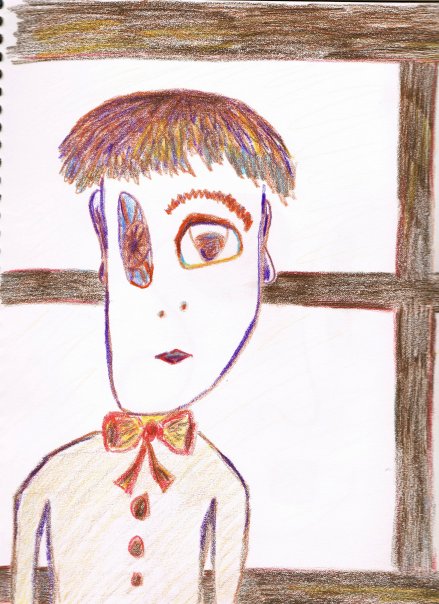
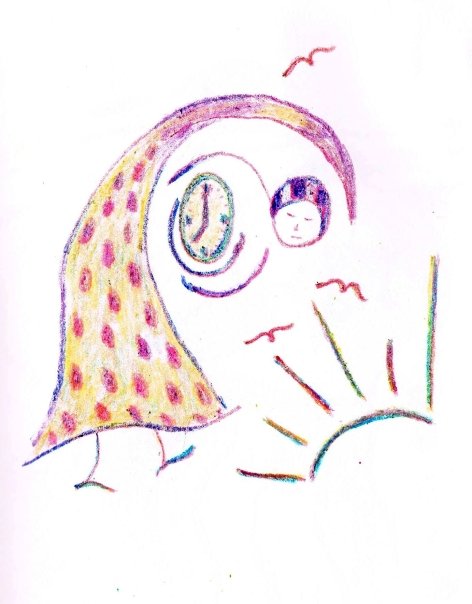
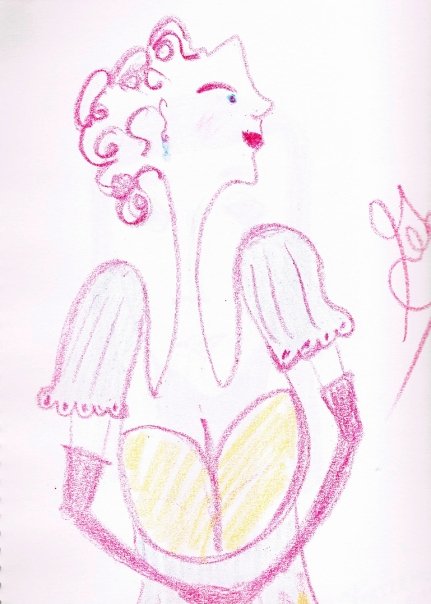
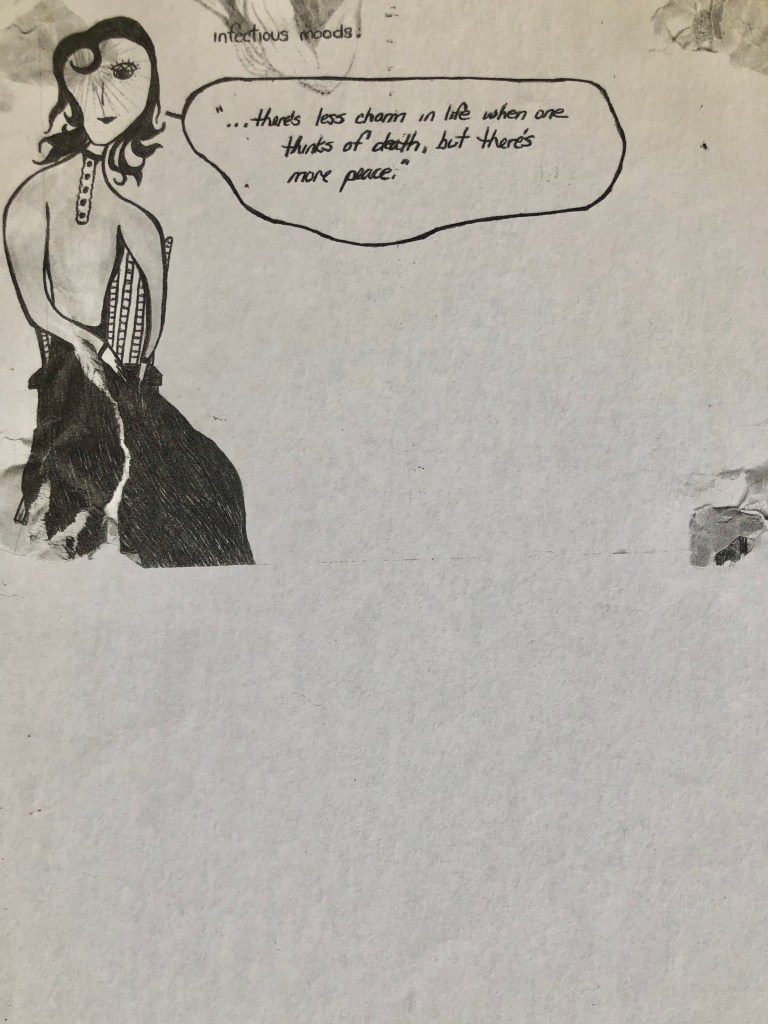
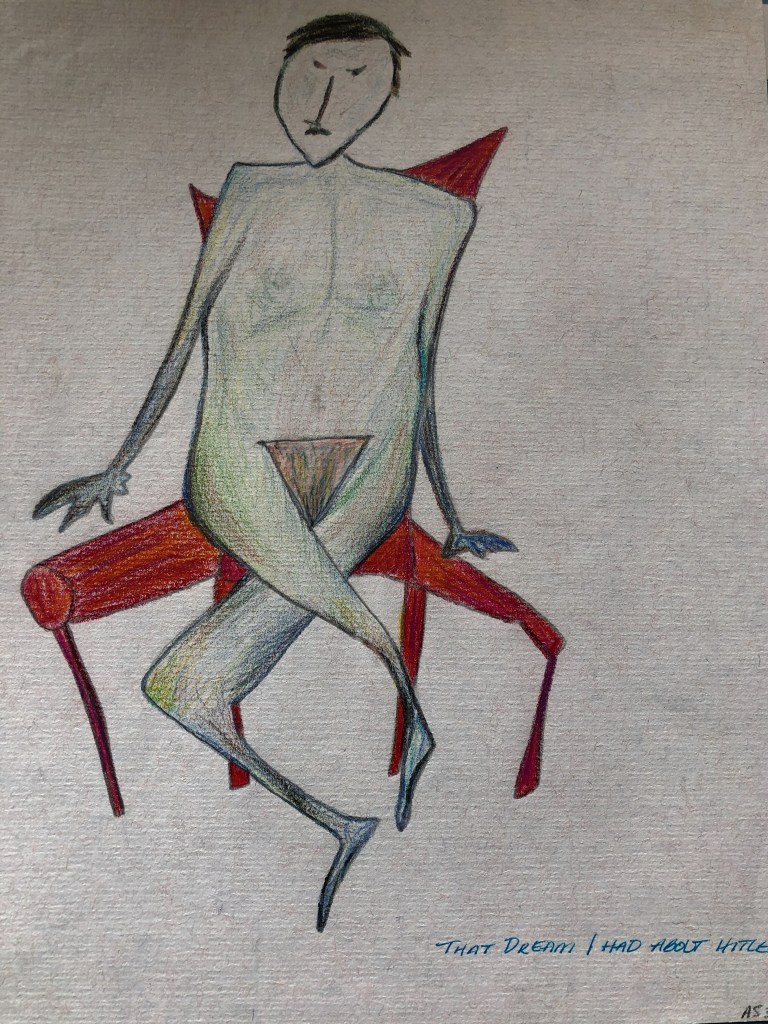
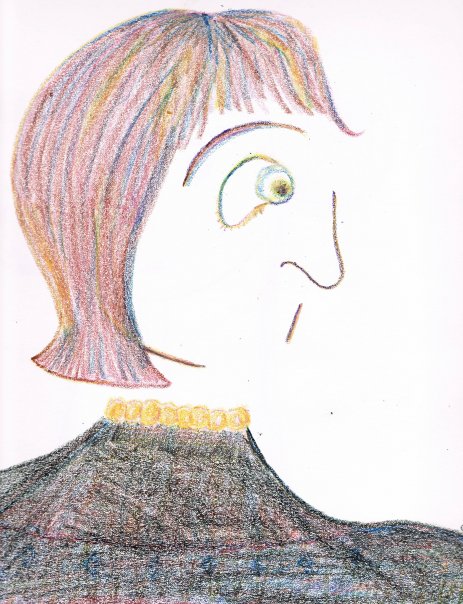
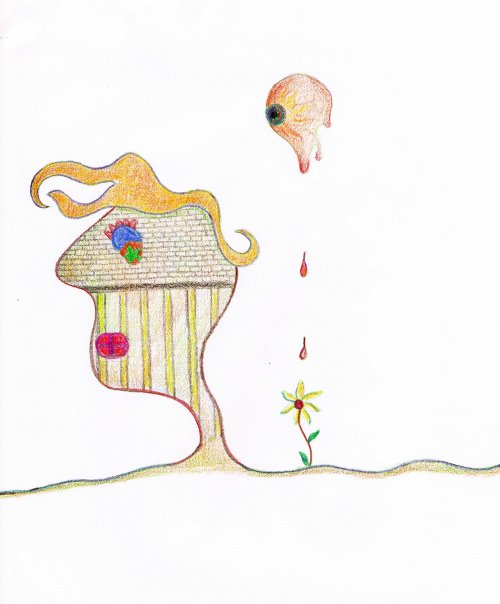
“I have been a doodler since college. I call them “doodles” because they are born from my subconscious, not my imagination. I don’t render them into existence so much as they seem to choose to be expressed. Whenever I try to draw something on purpose the image is crude and uninspired. But, when I let the pen or pencil or crayon do its thing, what comes out is usually the beginning of something surprising and engaging, which I can then enhance.”

from “The Gathering Girl” by Amanda Irene Rush

It’s a Book!

April 16, 2023: “The Gathering Girl” goes out into the world.

Today is the day I announced my book to the world. Well, at least to my small corner of it. Back in 2018, when I was wrapping up the final summer residency of Ashland University’s MFA in Creative Writing program, I told the instructor and my fellow students that I wanted to publish a book by the time I was 50. I will turn 51 in 10 days. I just made it!

Seven years in the writing, this memoir is my attempt to make meaning of the cumulative and relatively quiet damage wrought by my parents’ divorce, my mother’s mental illness, and a childhood in which I was generally left to fend for myself.

My hope is that anyone who has experienced adverse childhood events or who lives with the residue of a dysfunctional family will find some solace in my story.

Featured

Why a Happy Tree & Rabbit?

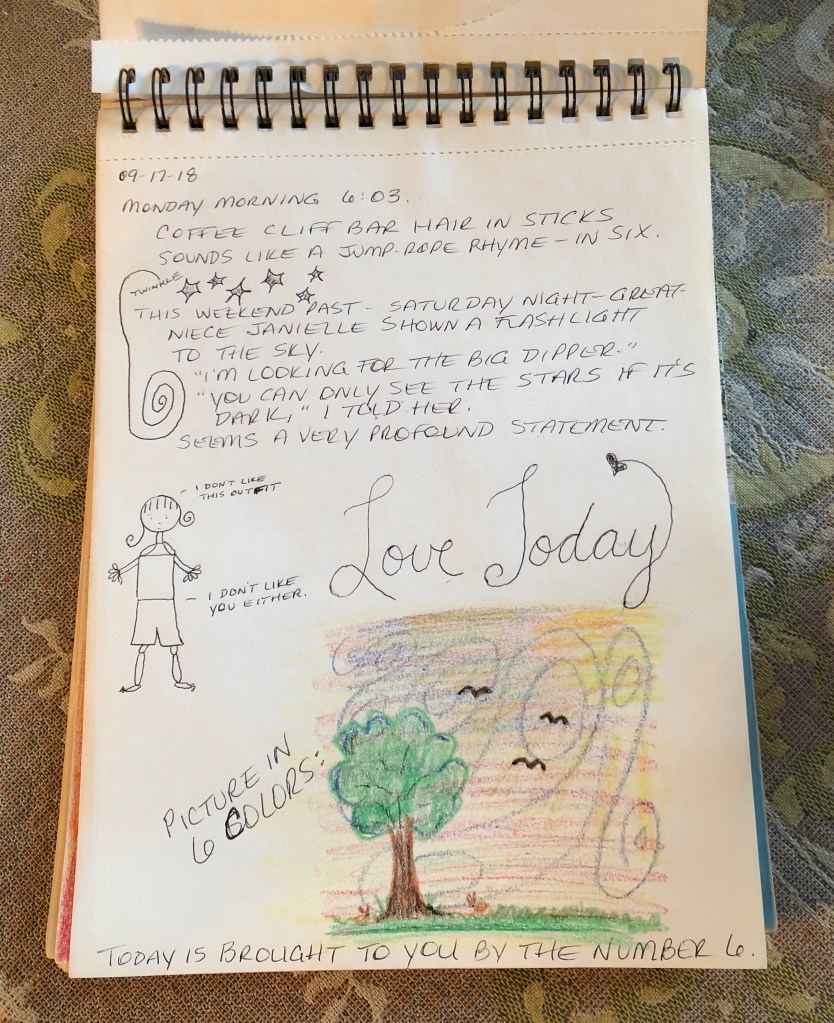
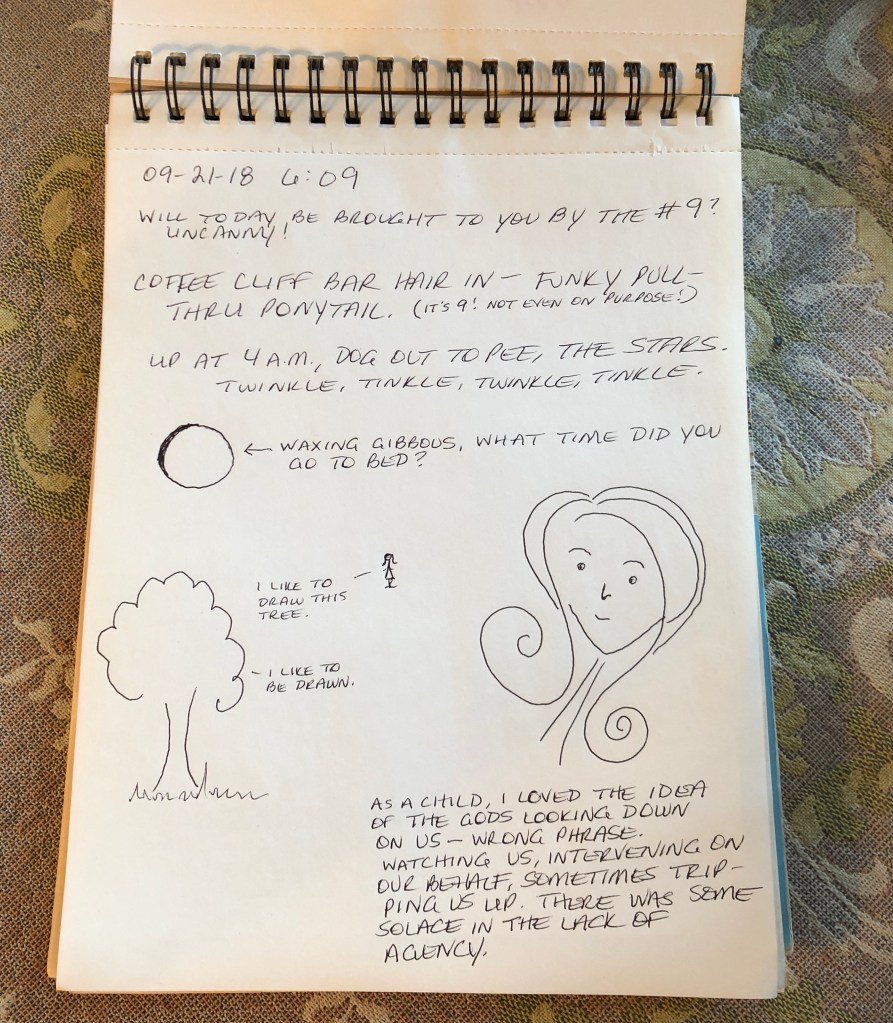
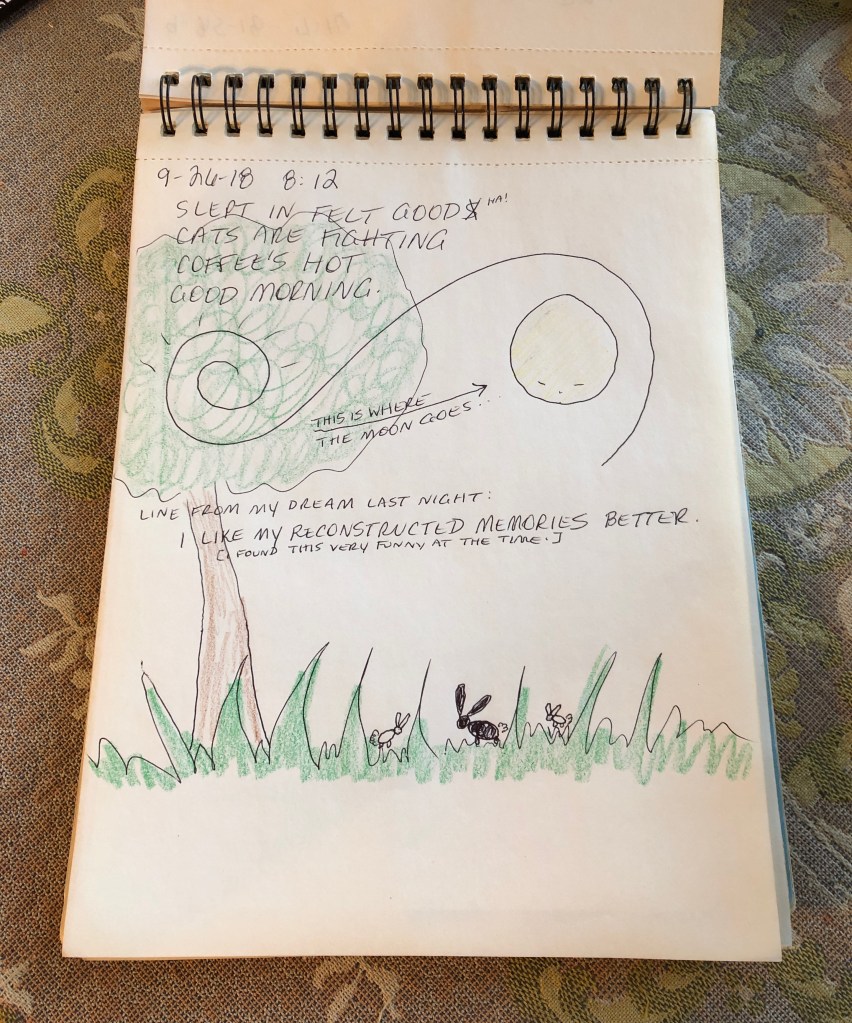
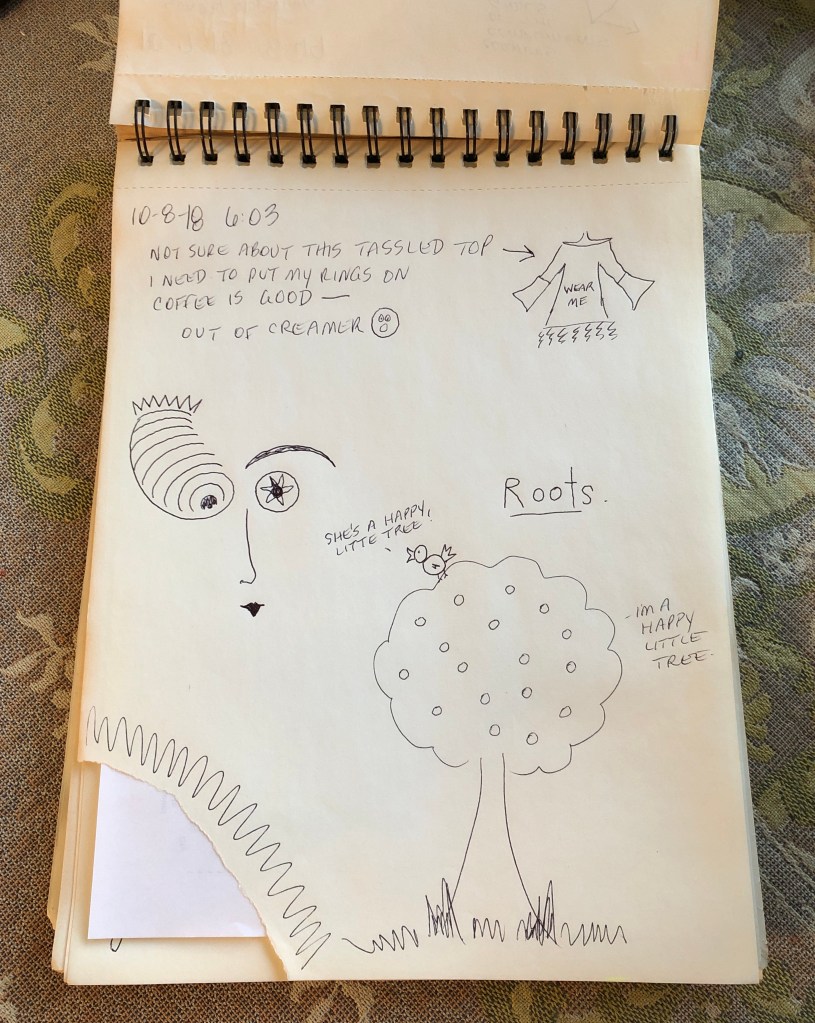
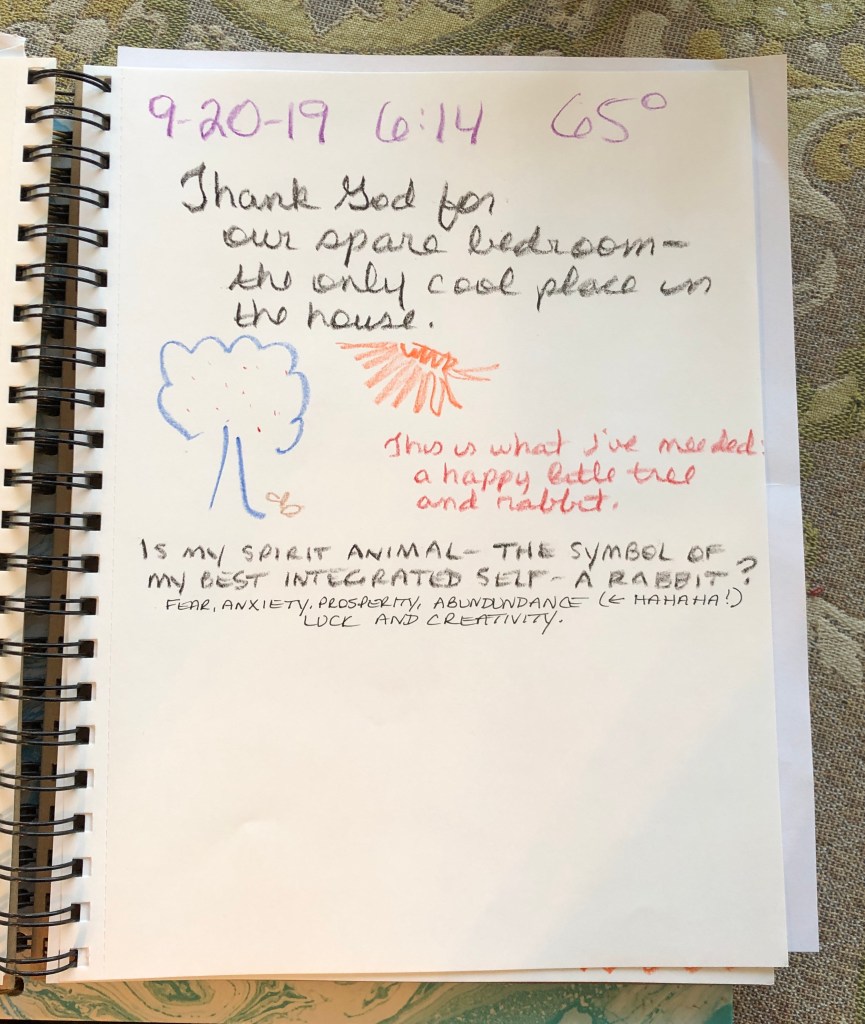
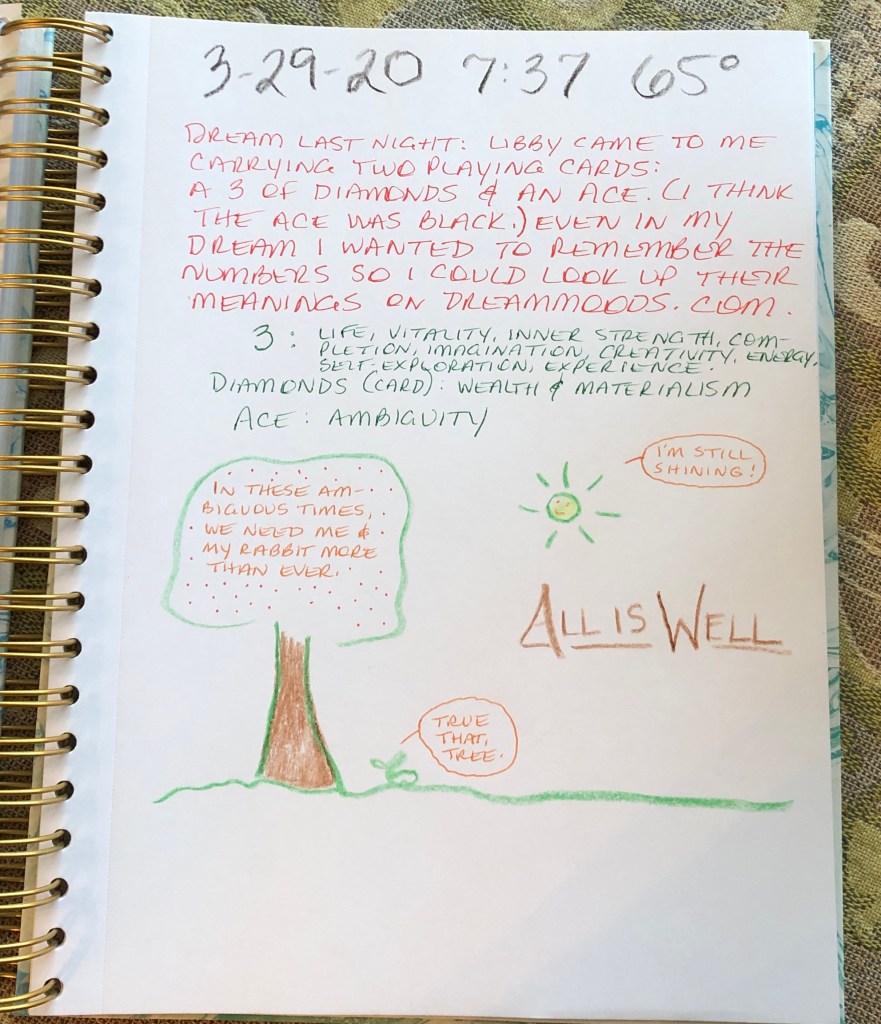
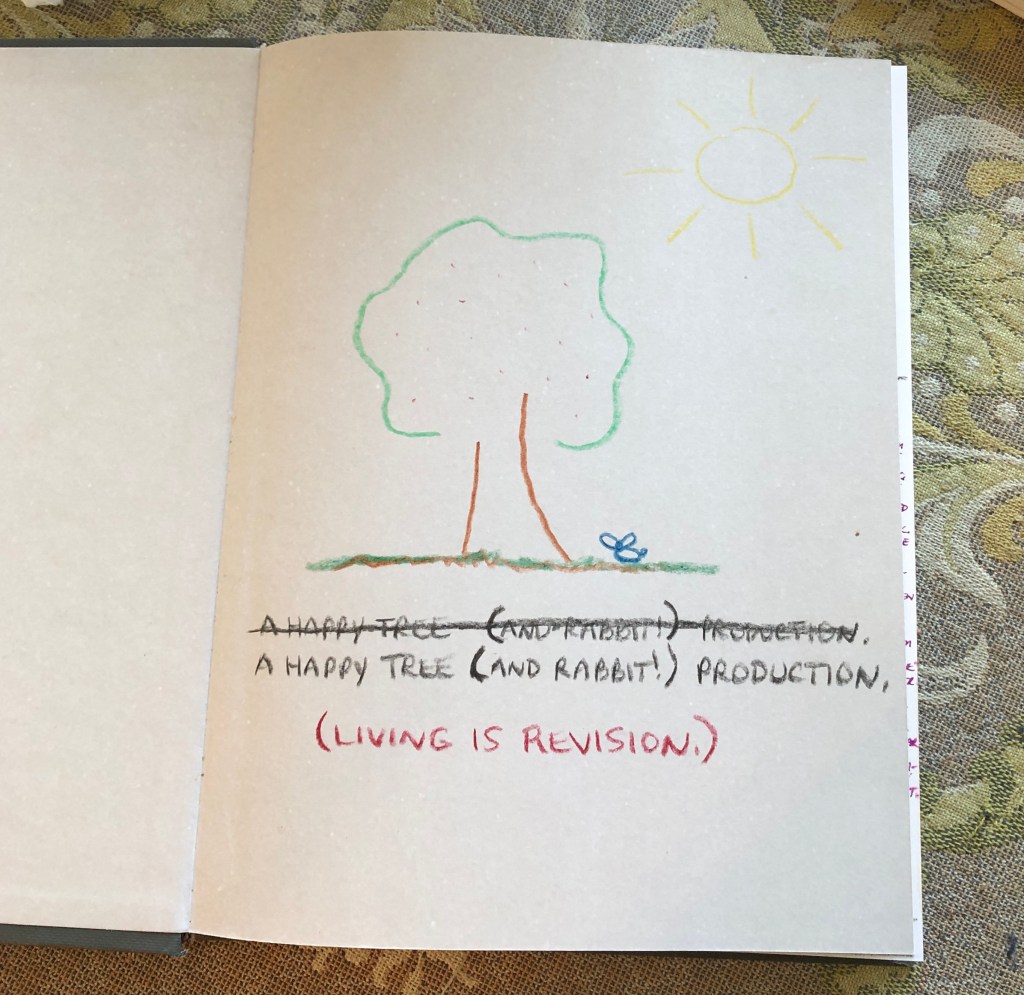
In 2017, when I was working on my memoir, “The Gathering Girl,” I started what I came to call a “Doodle Journal.” From a young age, I had kept journals, but my entries were sporadic. I’d write in one for a few days or weeks fairly faithfully, then the fear of putting down something less than brilliant would settle upon me and the self-censoring would begin and the writing would end. Doodling helped free me from that inner critic.

The happy tree and rabbit first showed up in September of 2018:

Sometimes, only the tree would make an appearance:

Sometimes, there’d be more than one rabbit:

The tree deemed herself “a Happy Little Tree”:

By the following year, the happy tree and rabbit had become such a recurring image in my journal, I began to wonder if the rabbit were my spirit animal:

In the early days of Covid, the happy tree and rabbit helped remind me that there was still stability and hope in the world:

By June of 2020, I had adopted the happy tree and rabbit as my signature doodle:

The tree embodies the harmony of opposing tensions within all of us: our roots reaching deep, seeking knowledge of who we are and where we stand; our branches reaching out for light, seeming to embrace the vast and unpredictable world around us. And the rabbit: she symbolizes fertility, luck, creativity, compassion, intuition. Together, the happy tree and rabbit help me feel grounded and hopeful.