For those who’ve wondered how a writer writes a book, I’d like to share some of my process as I begin my second (so-far-untitled) memoir.
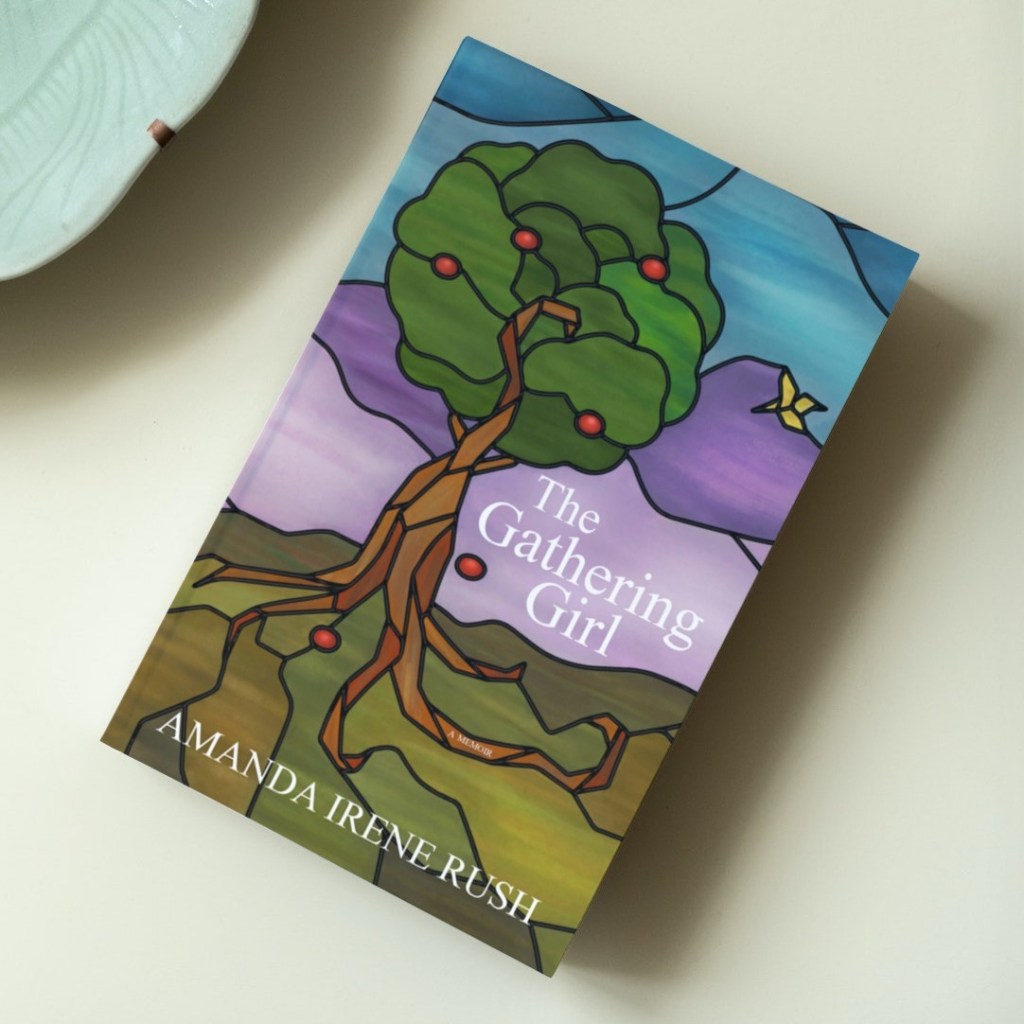
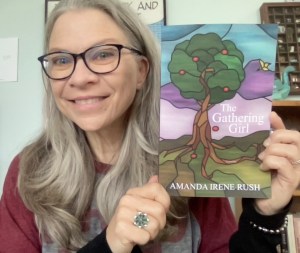
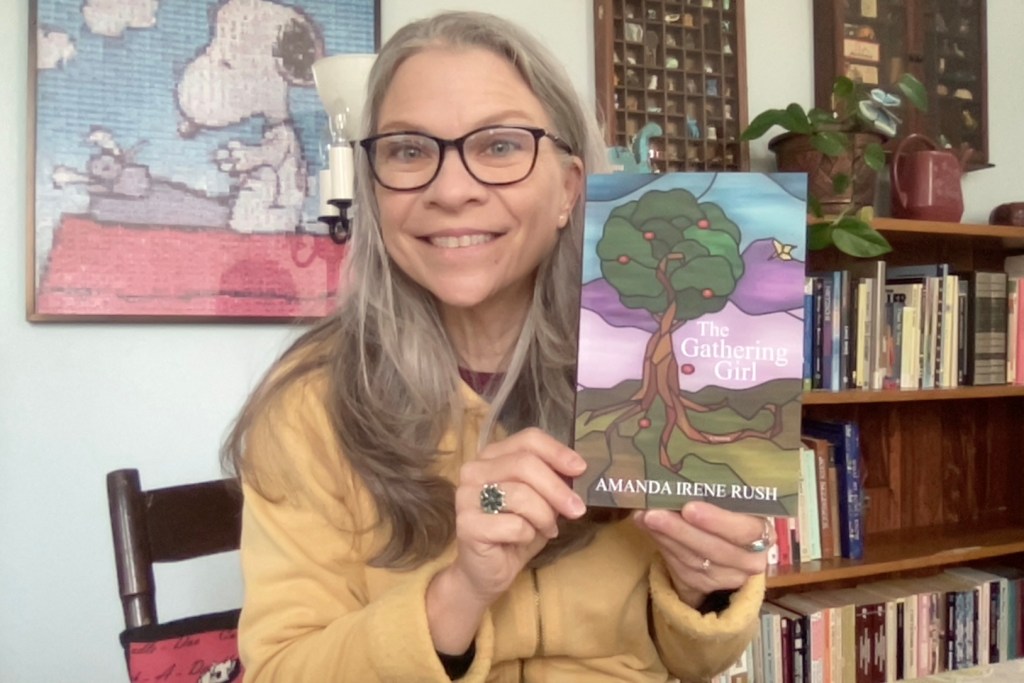
One of the first things I put on the page when I was writing The Gathering Girl was the scene of me as a young child sitting on my father’s lap eating Cool Whip out of the container. At the time, I had no idea what shape the book would take, what it would actually be about, or what I was even trying to say. I just knew there was something about the feeling of softness, of safeness, of wholeness conjured by that early memory that captivated me. My hope was that it would also guide me and sustain me as I kept writing. And it did. While the book ended up being ostensibly about my childhood and my relationship with my parents, the bigger story was how our (read: every human’s) original state of wholeness (read: innocence) cannot be sustained, but must be broken apart if we are to have any chance of achieving a new and lasting wholeness.
All that from Cool Whip!
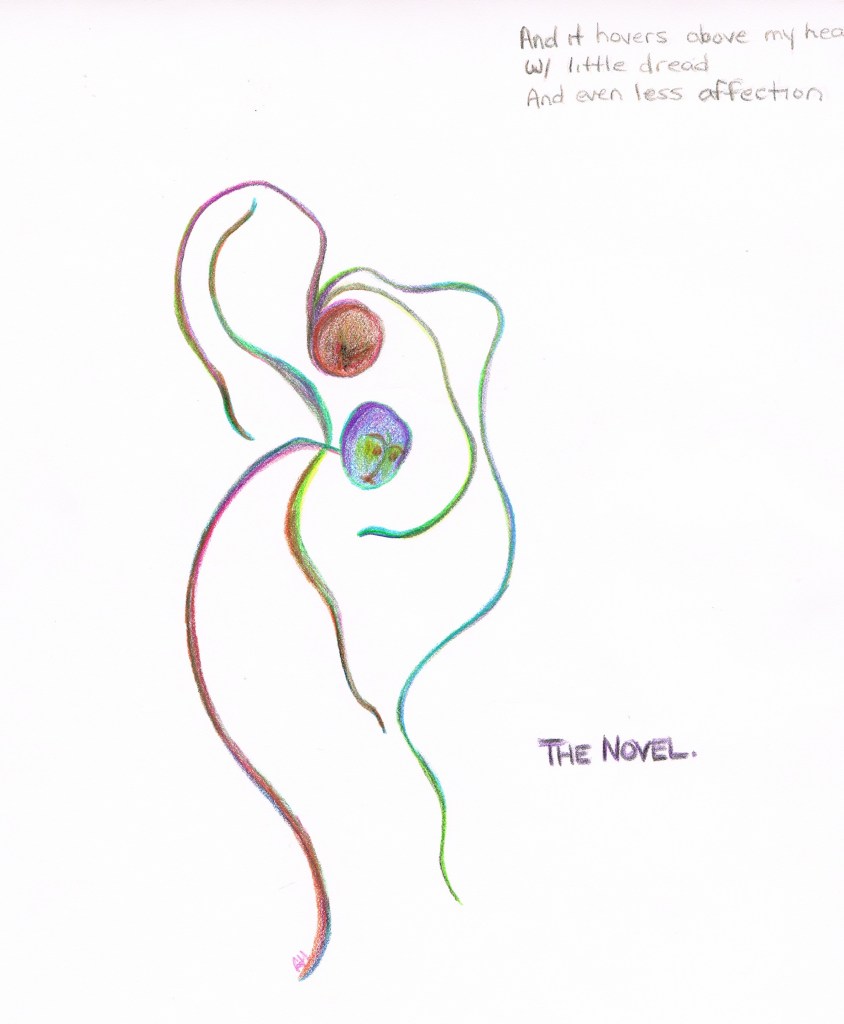
But that’s how my writer brain works. It locks onto a memory, an image, a feeling, a something, and then I try to keep that thing in mind as I write; letting it lead me, really, to whatever bigger story it’s trying to reveal. Rarely do I write linearly. I’ll write a scene here. A memory there. Some summary and exposition. Once there are enough pieces and parts, I try to glean what shape the work wants to take. Then I stitch it together best I can and hope my seams don’t show too much. With a full-length work like The Gathering Girl, the shape shifted many times. Seams had to be ripped out, and pieces rearranged, removed, added. There was lots of resewing.
I imagine the same will be true for memoir number two. Again, I don’t really know what shape the book will take, what it will actually be about, or what I am even trying to say. All I can do is start with something that captivates me — in this case beveled mirrors — and see where it leads me.
It will be interesting to see if any of this makes the final cut.
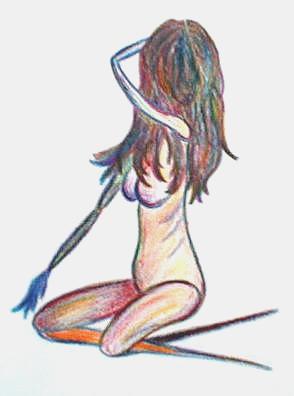
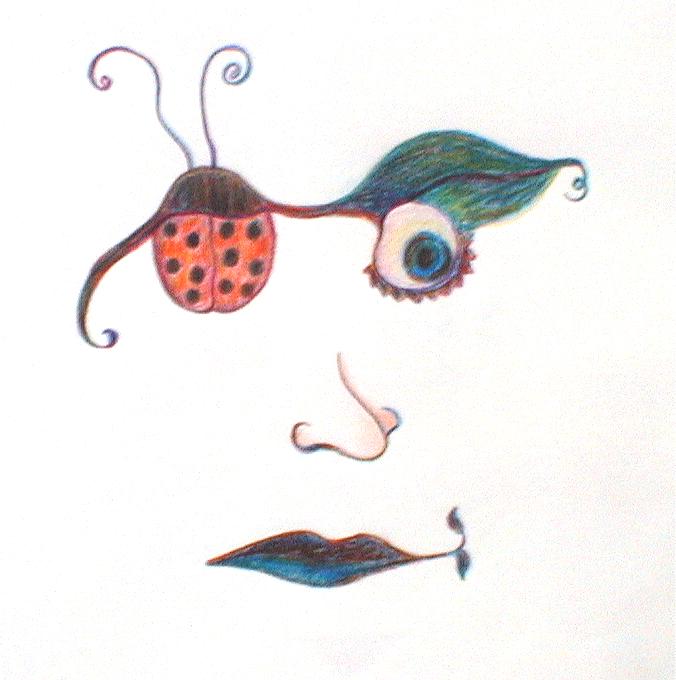
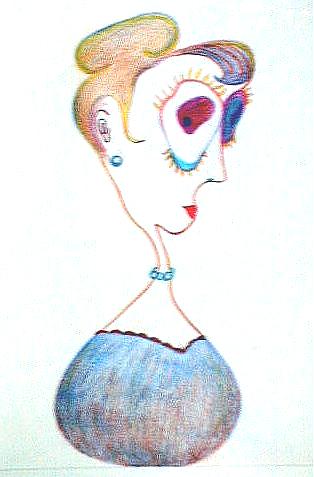
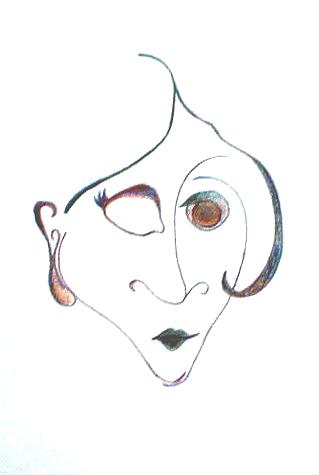
At both the Toy Box and Private Dancer, the two clubs I worked as a stripper in my late twenties, the mirrors covering the wall behind the main stage were beveled, vertical slats. Often when I was dancing a set, I’d marvel at the illusion cast by the obtuseness of the mirrors’ angled edges: there—as far as the eye could see—a multiplicity of mes.
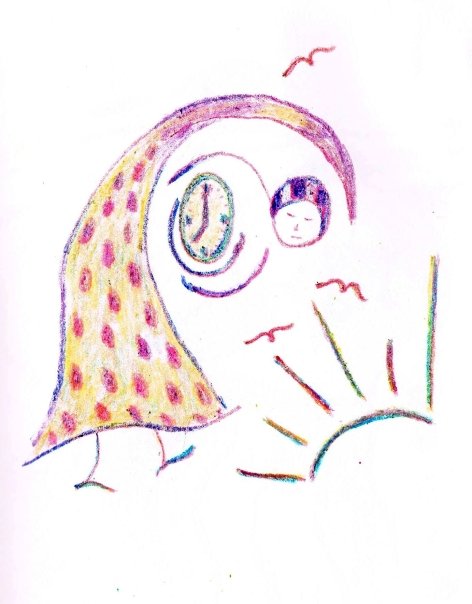
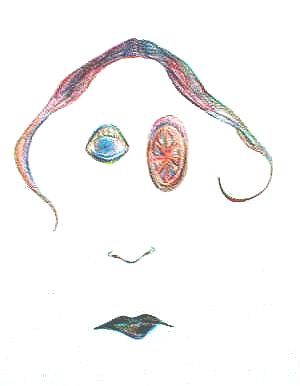
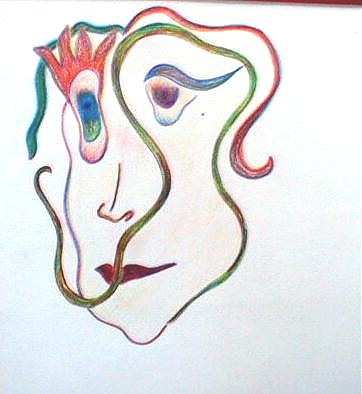
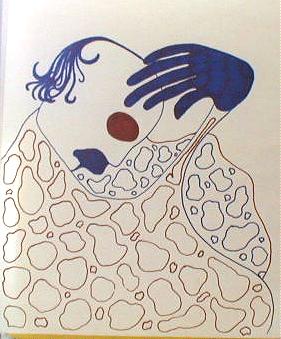
Now, over two decades later, as I reflect back on those three years I spent getting naked for men, I think about those mirrors, and I wonder: Which was the true reality? The apparent singular person in front of the mirrors? Or the plurality of parts revealed within?
Considering the multiplicity of emotions I felt then and still feel now about my stripping days, I have to believe the latter. How can I not when I see in each of those reflections an aspect of my own self? There’s the lonely one. The shy one. The curious one. The confident one. The helpless one. The eager one. The fearful one. The daring one. Each one positioned along a spectrum of pride and shame, desire and aversion, vulnerability and empowerment. Each one authentically and unequivocally me.
In The Nonfictionist’s Guide, Robert Root talks about the “nonfiction motive”: “the individual writer’s need to know or understand a specific, limited topic.” My motive for writing this account of that specific time in my life isn’t so much to merely reflect on the one or two or four things that possessed me to become a stripper when I was twenty-six years old; that is, to focus only on the apparently singular story. Rather, I want to hold the story up in front of those beveled mirrors and see what aspects might be revealed. What might I come to better understand about my past and about myself? What might I come to know?
Revelation may be too strong a word for what I’m after; but reflection is definitely not strong enough.










 amandairush.com